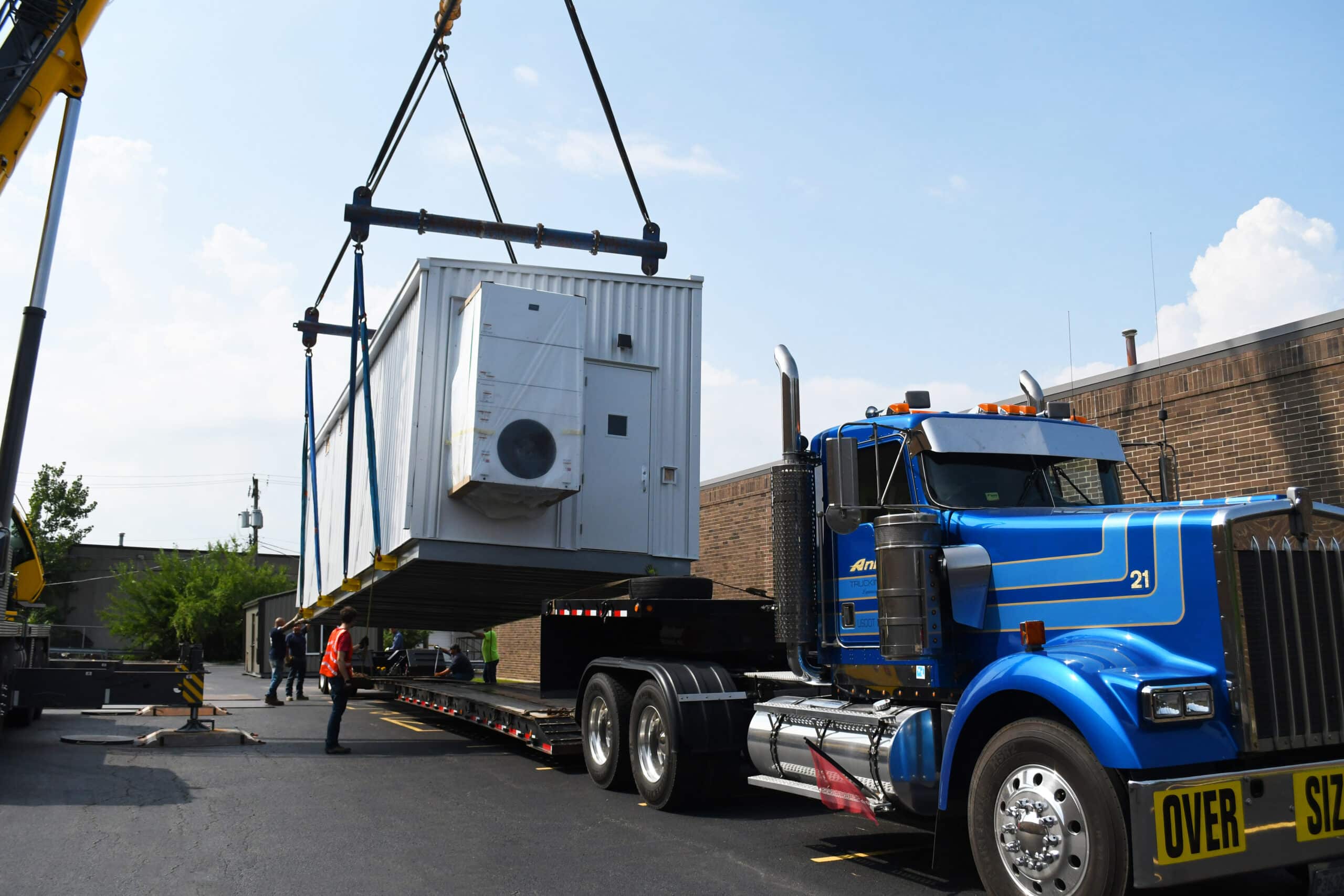
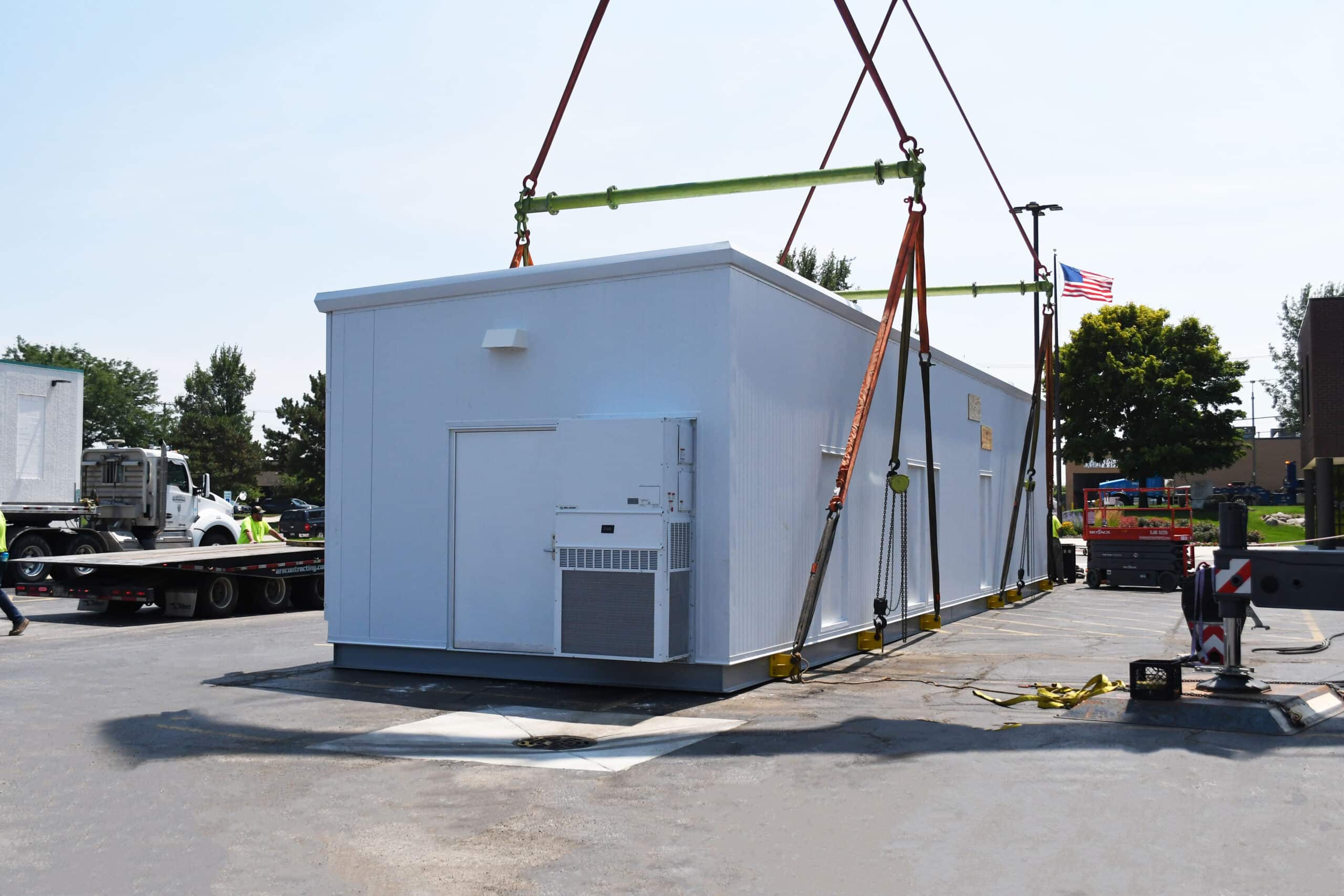
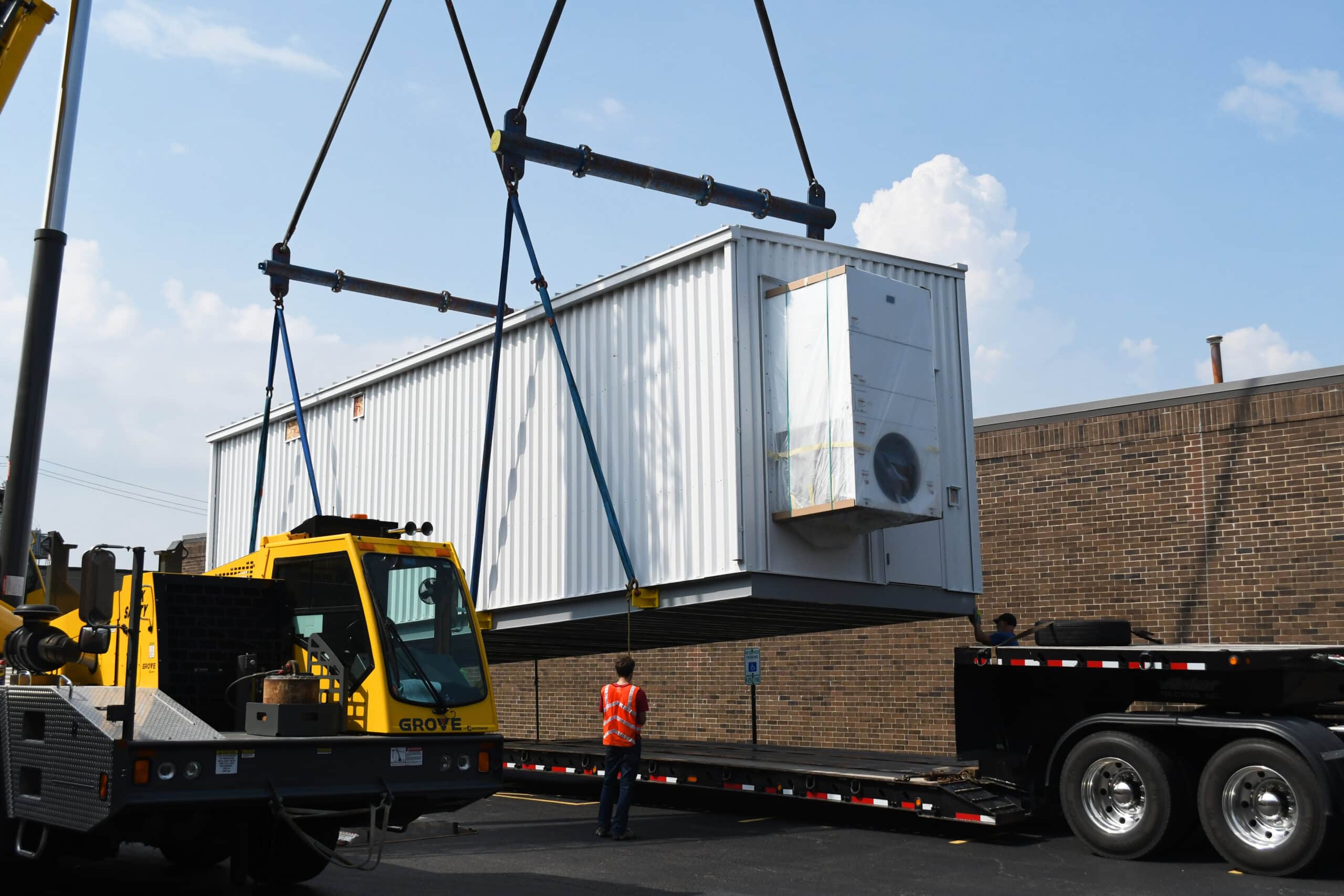
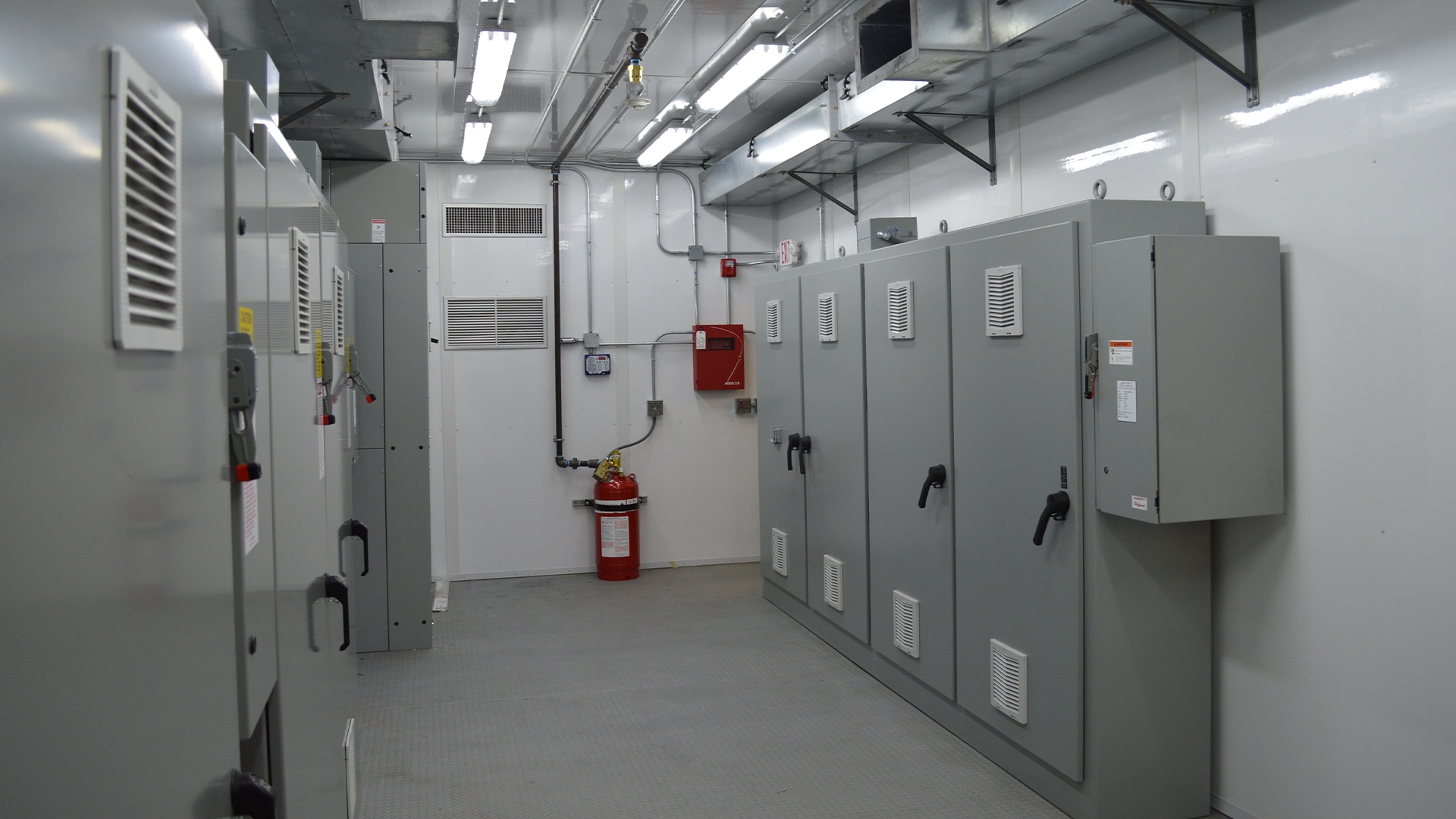
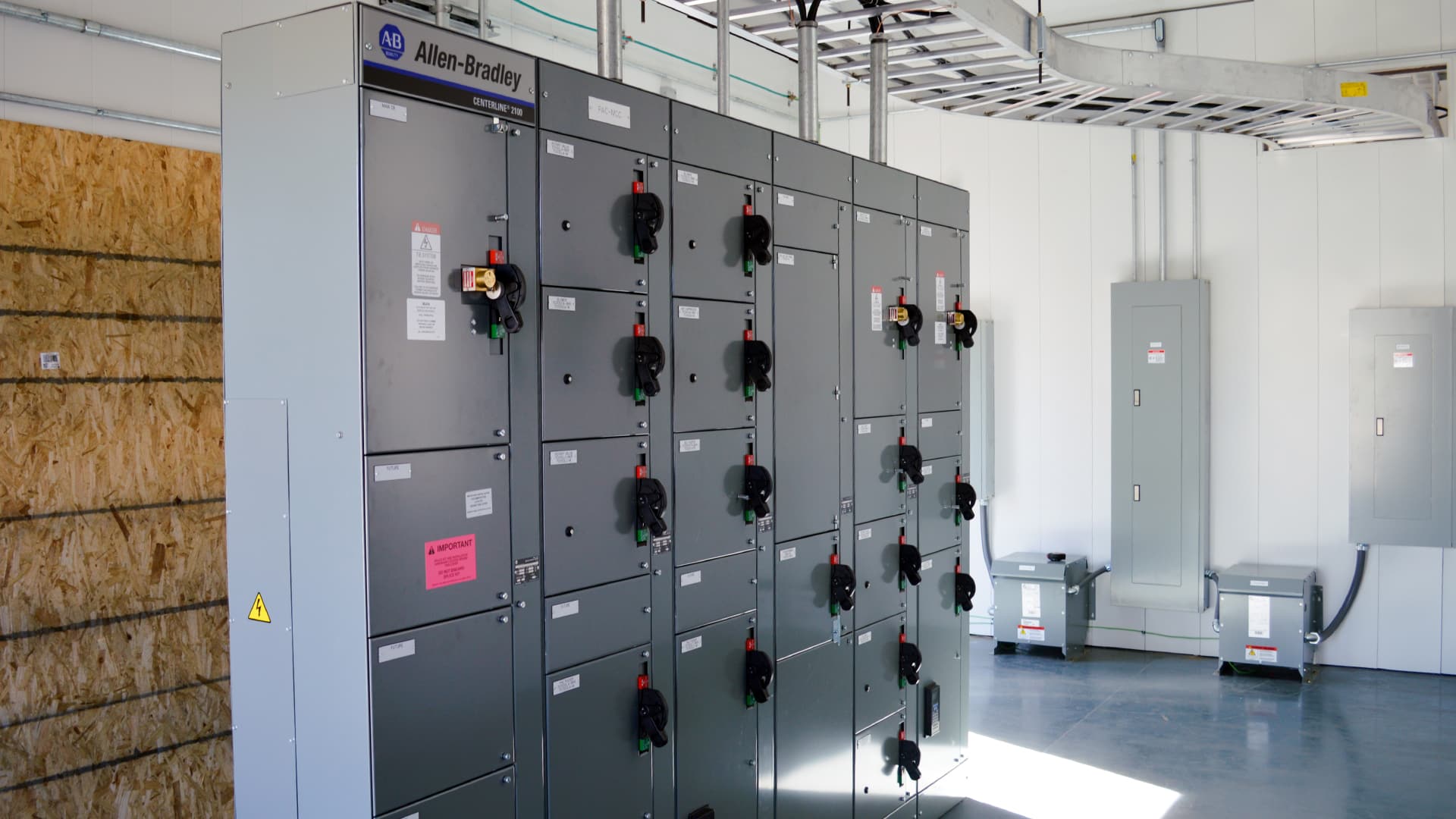
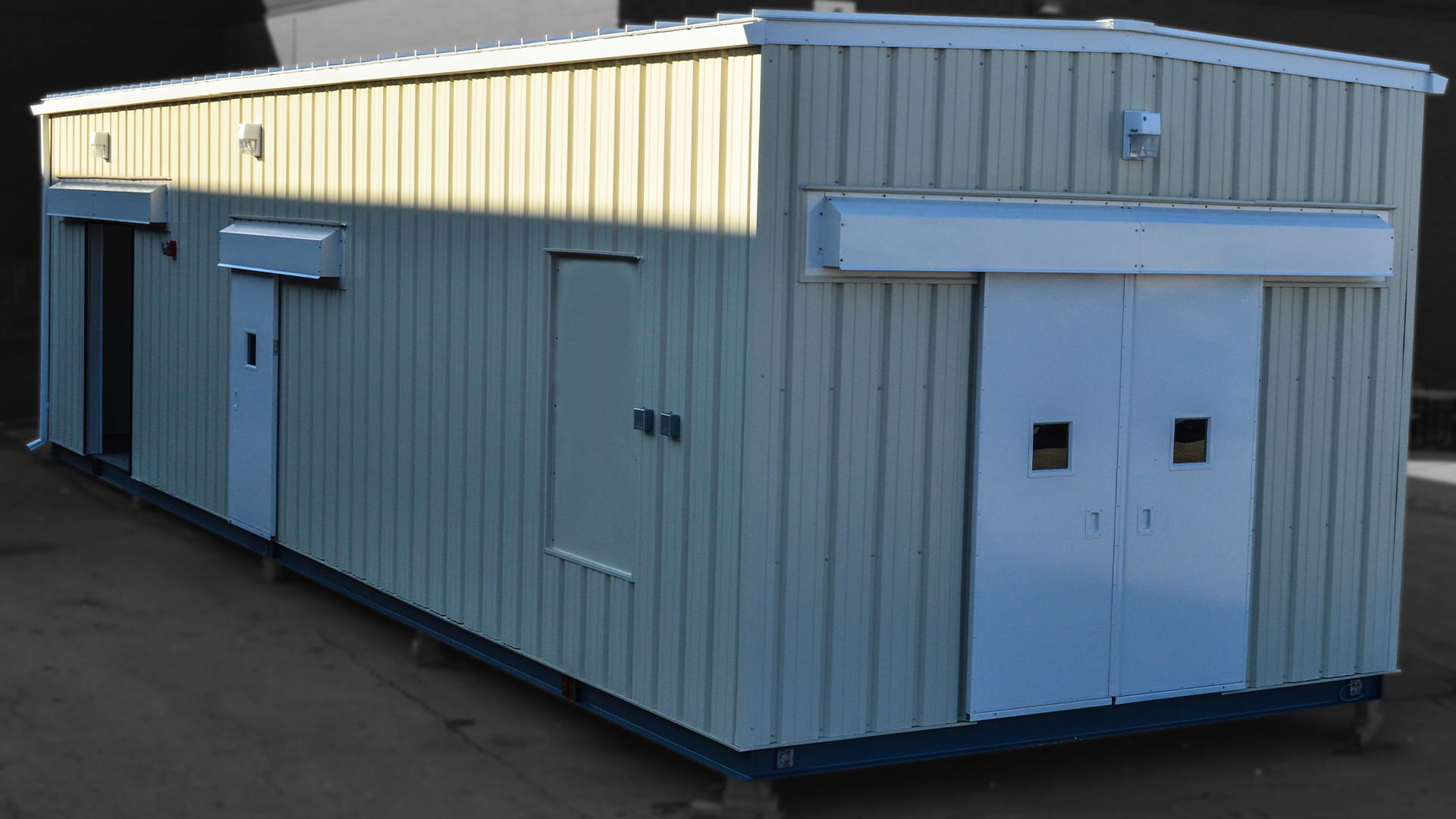
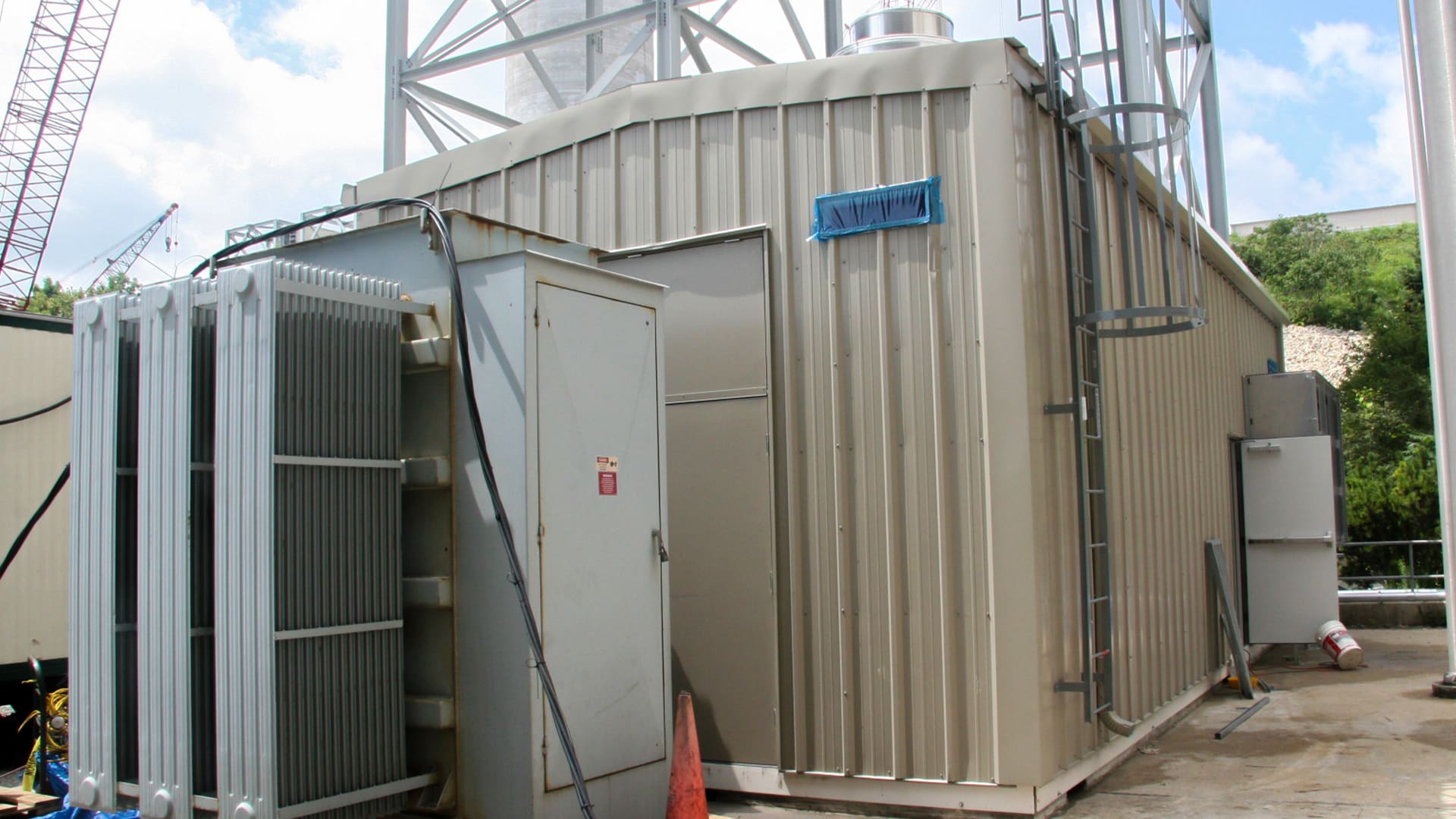
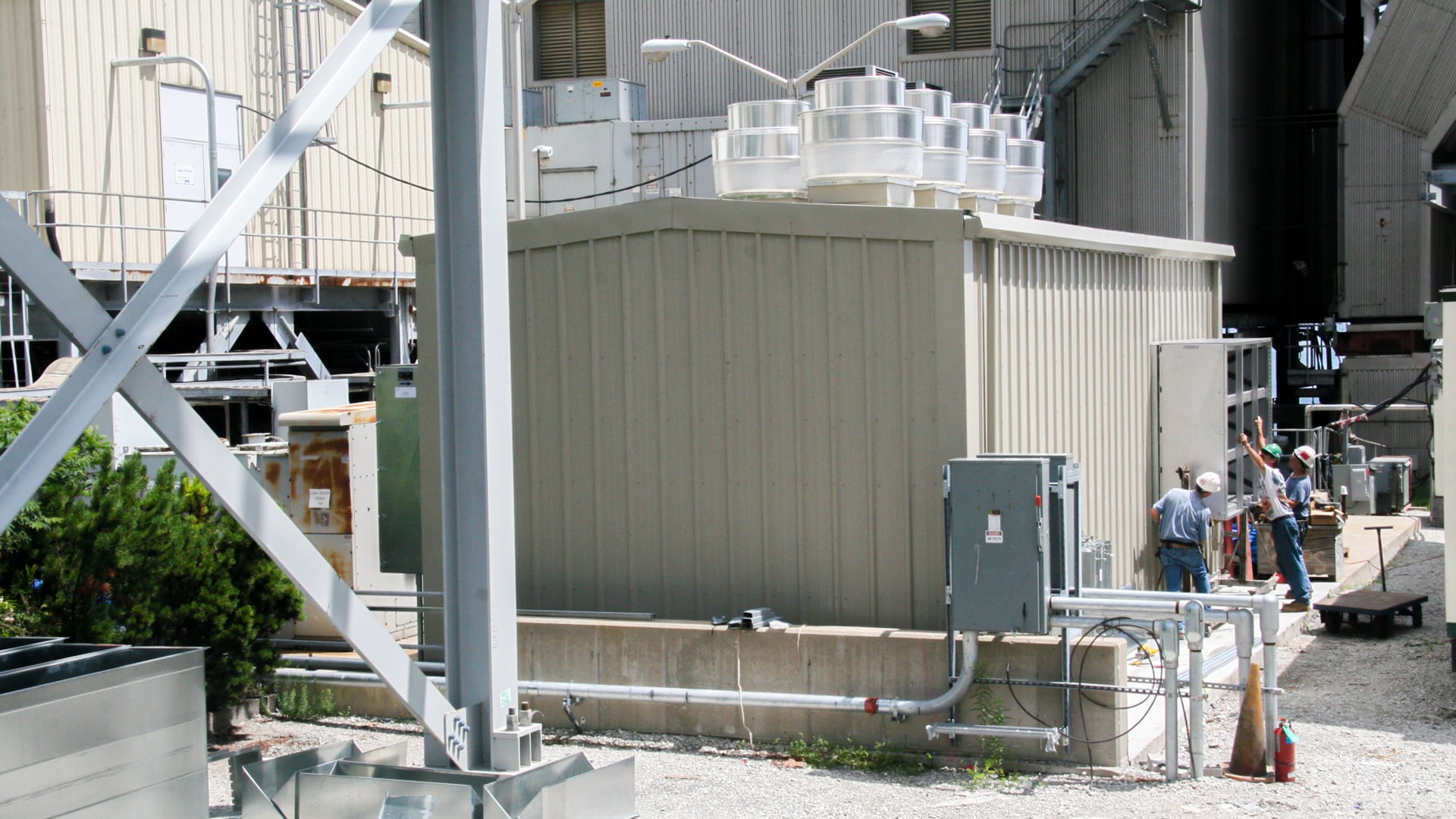
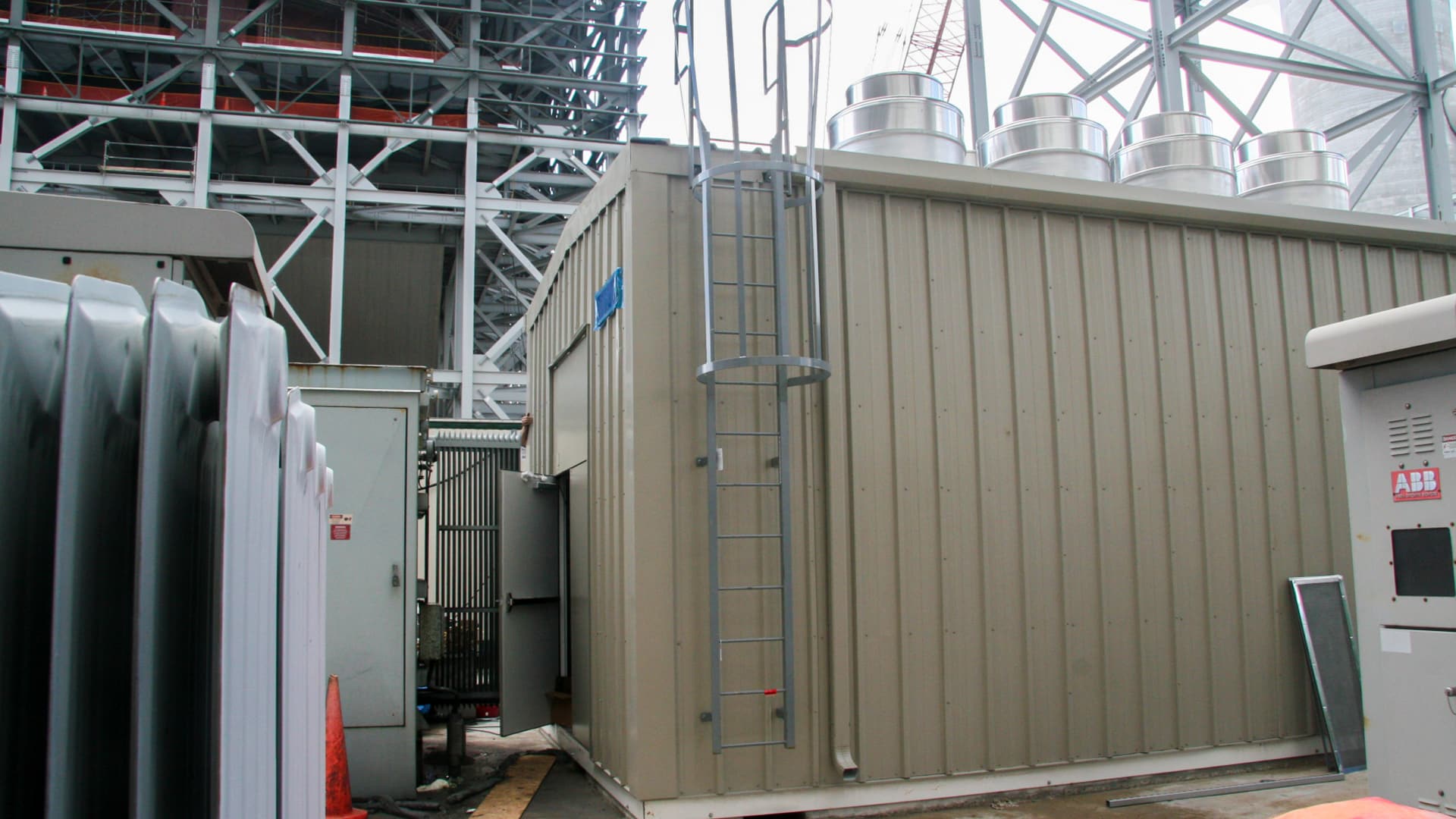
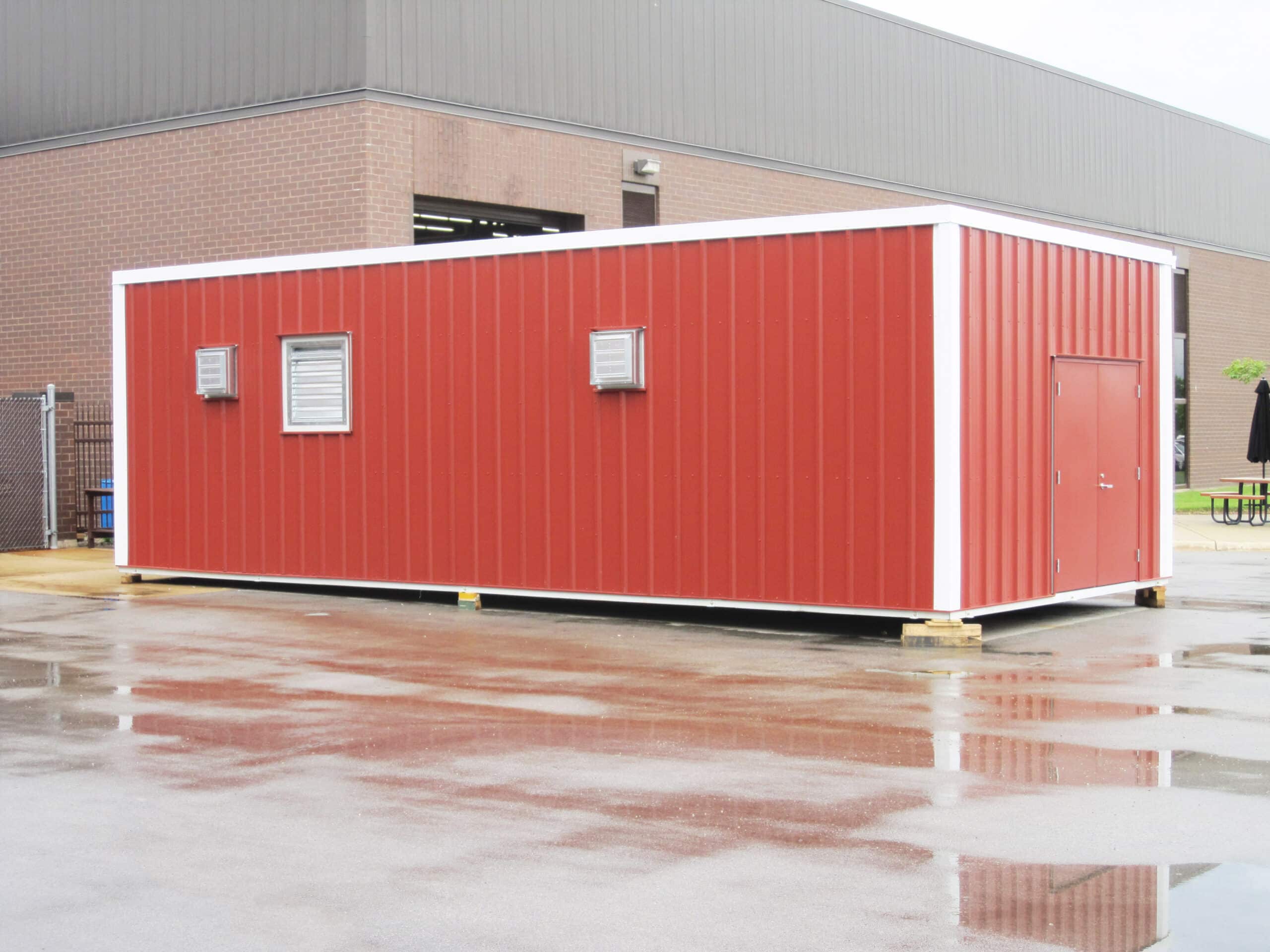
Prefabricated substations are factory-built modular buildings that house electrical infrastructure for power transmission and power distribution systems. These buildings protect critical equipment such as switchgear, relay panels, SCADA systems, monitoring equipment, batteries, and control systems in a controlled environment.
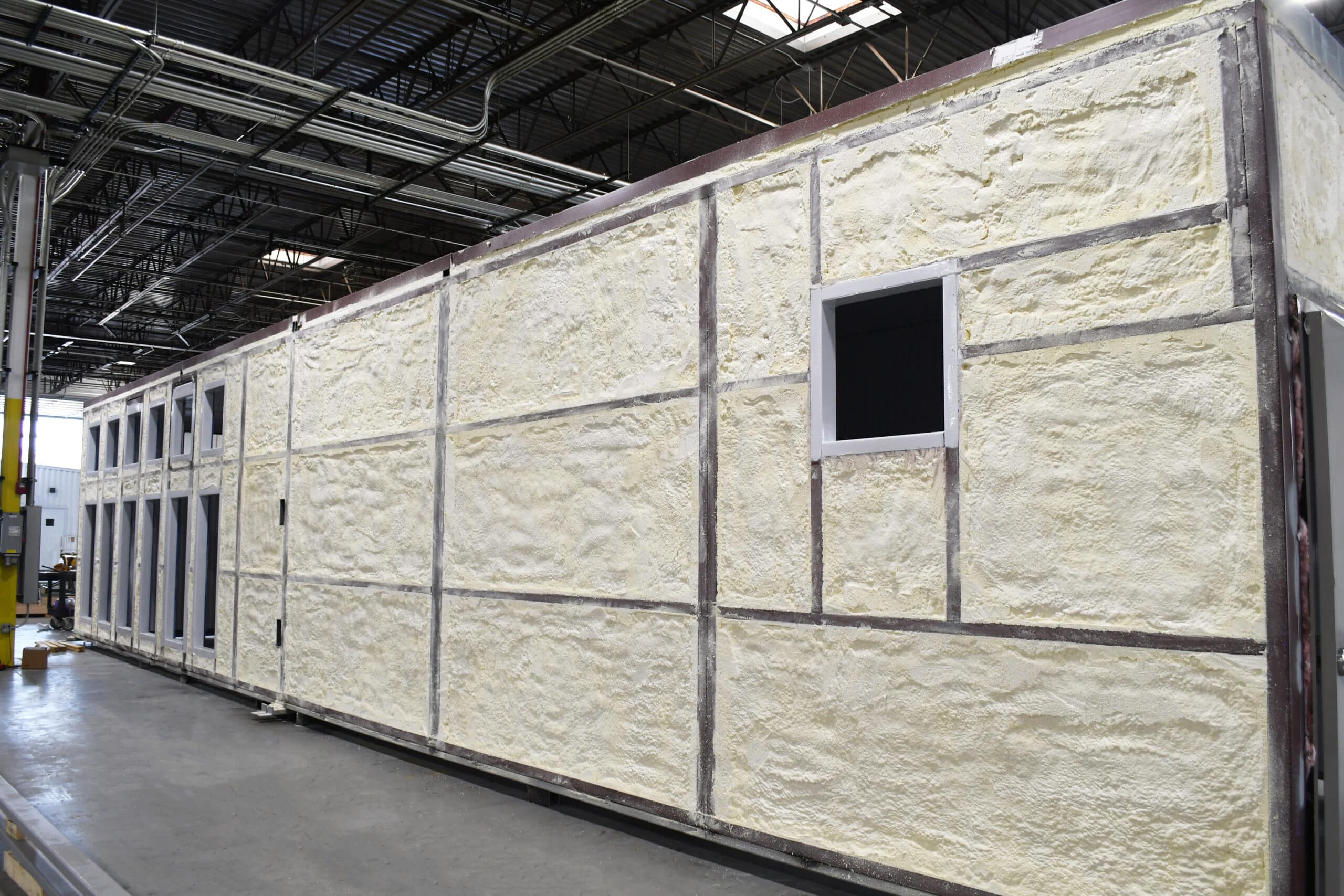
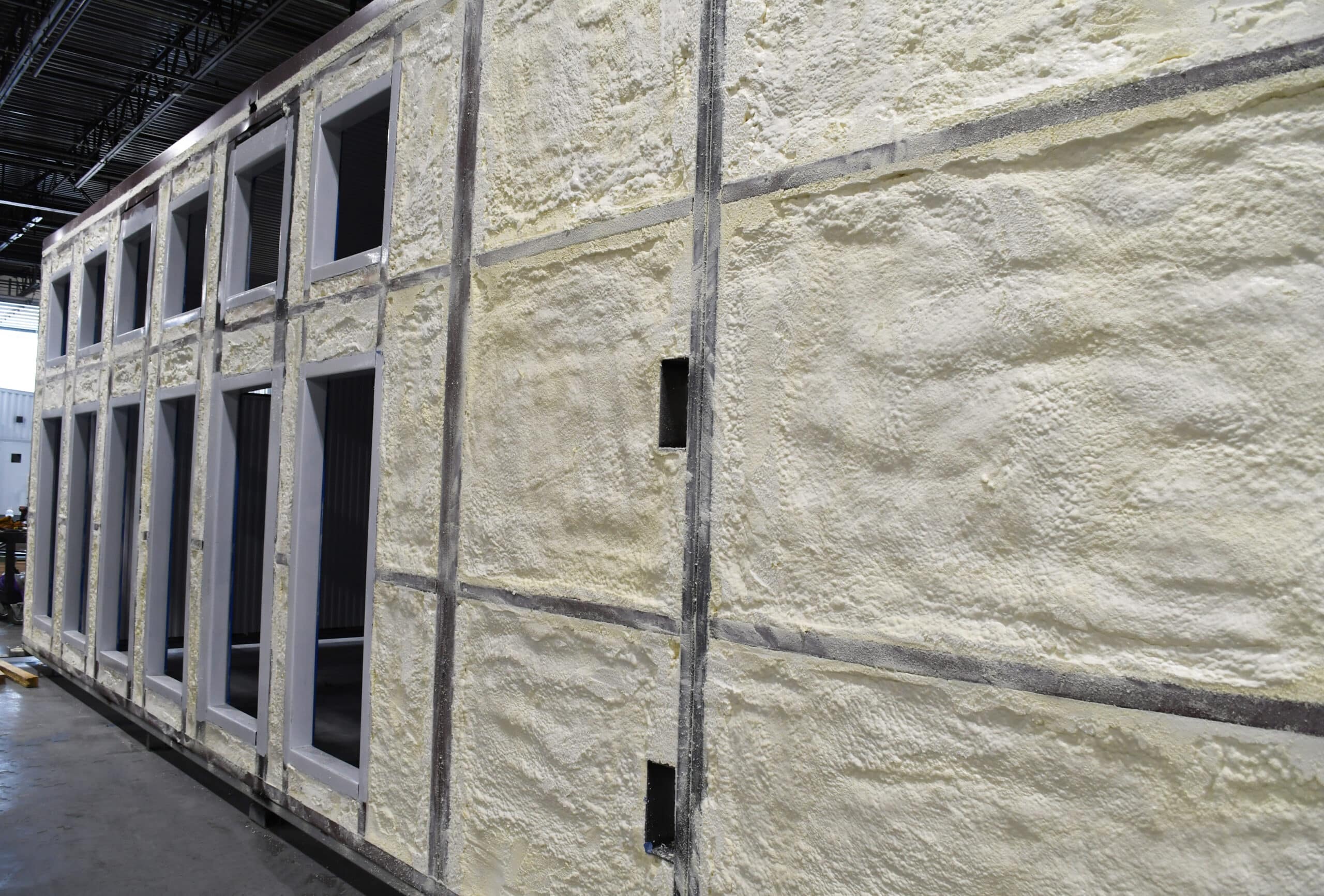
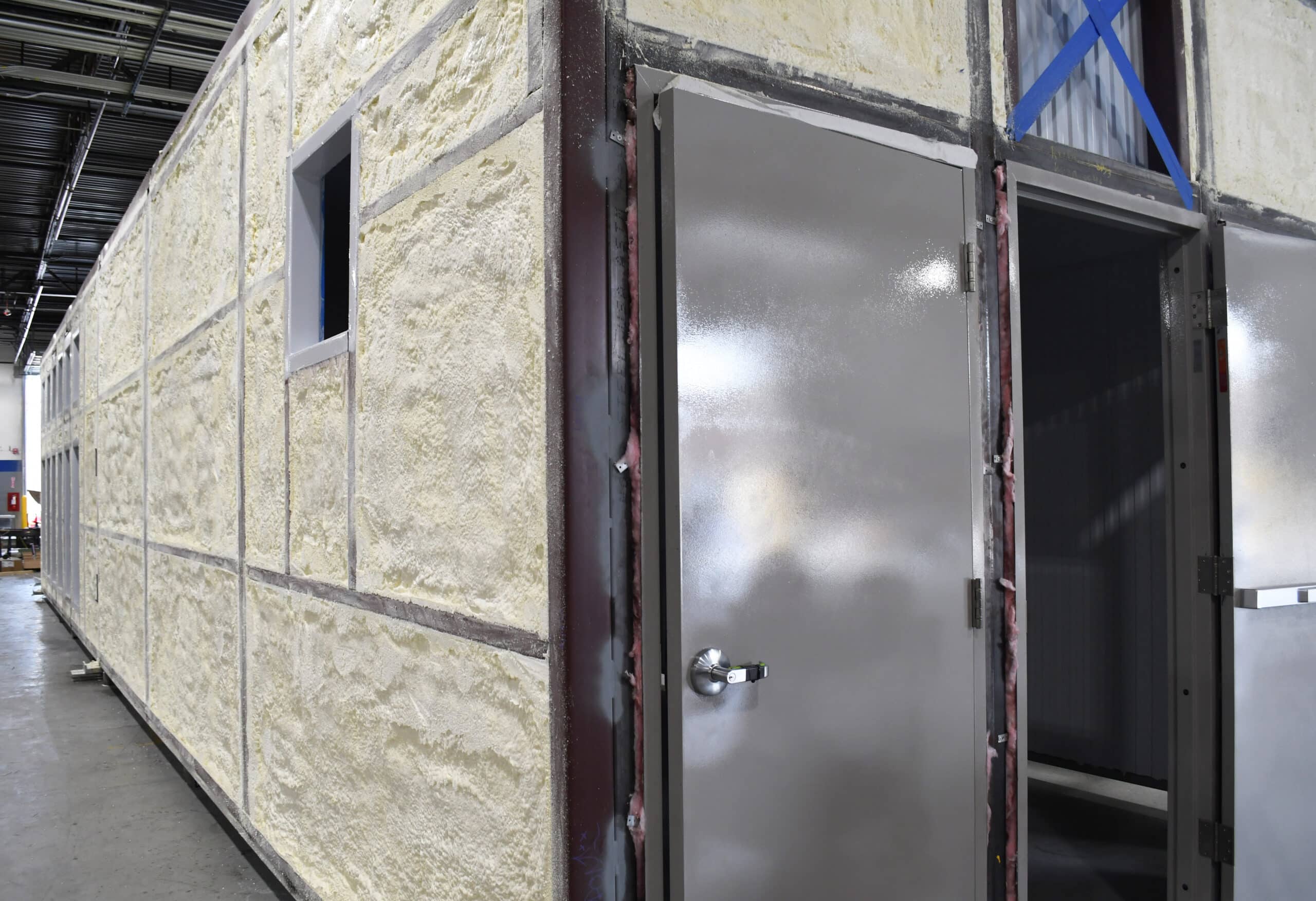
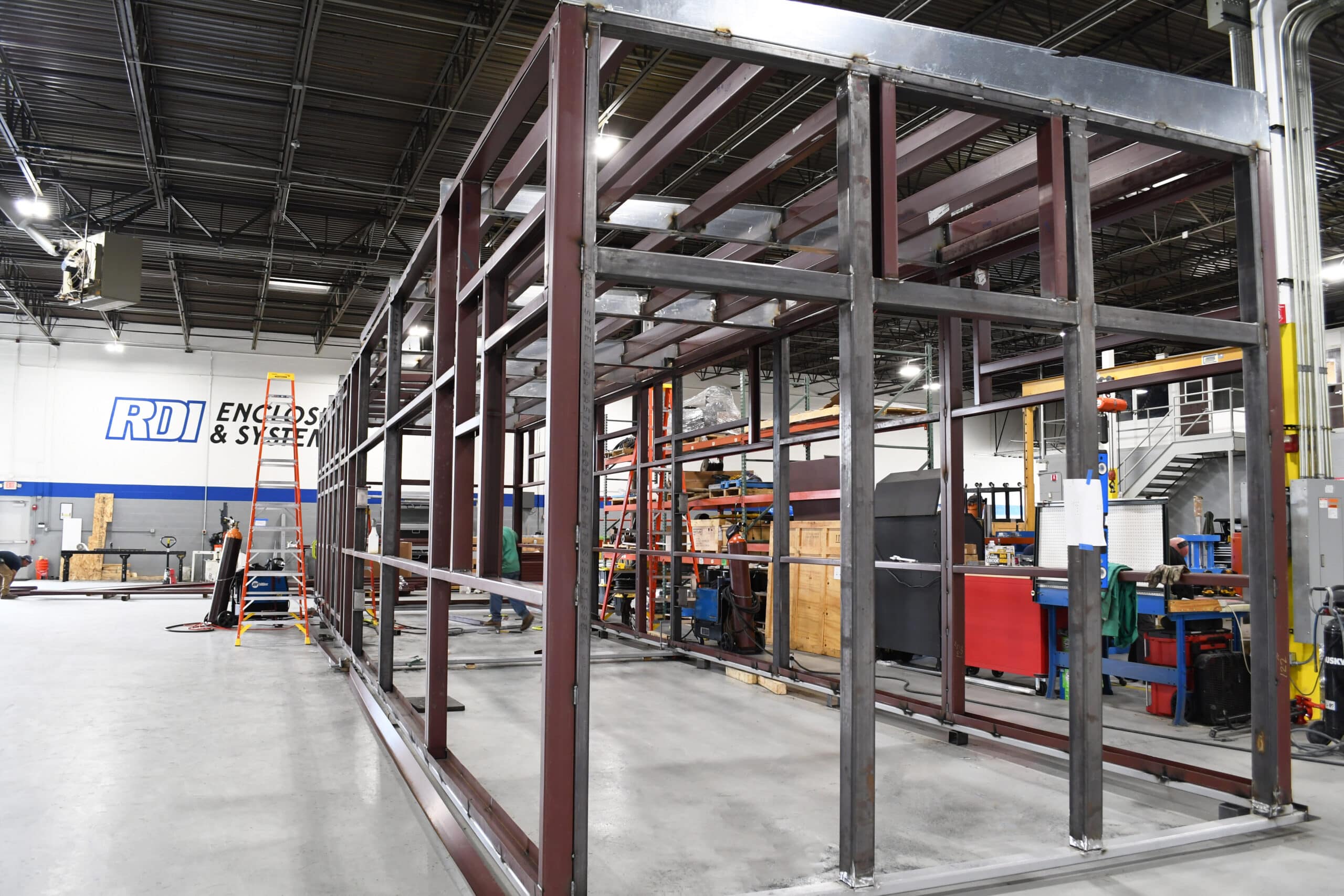
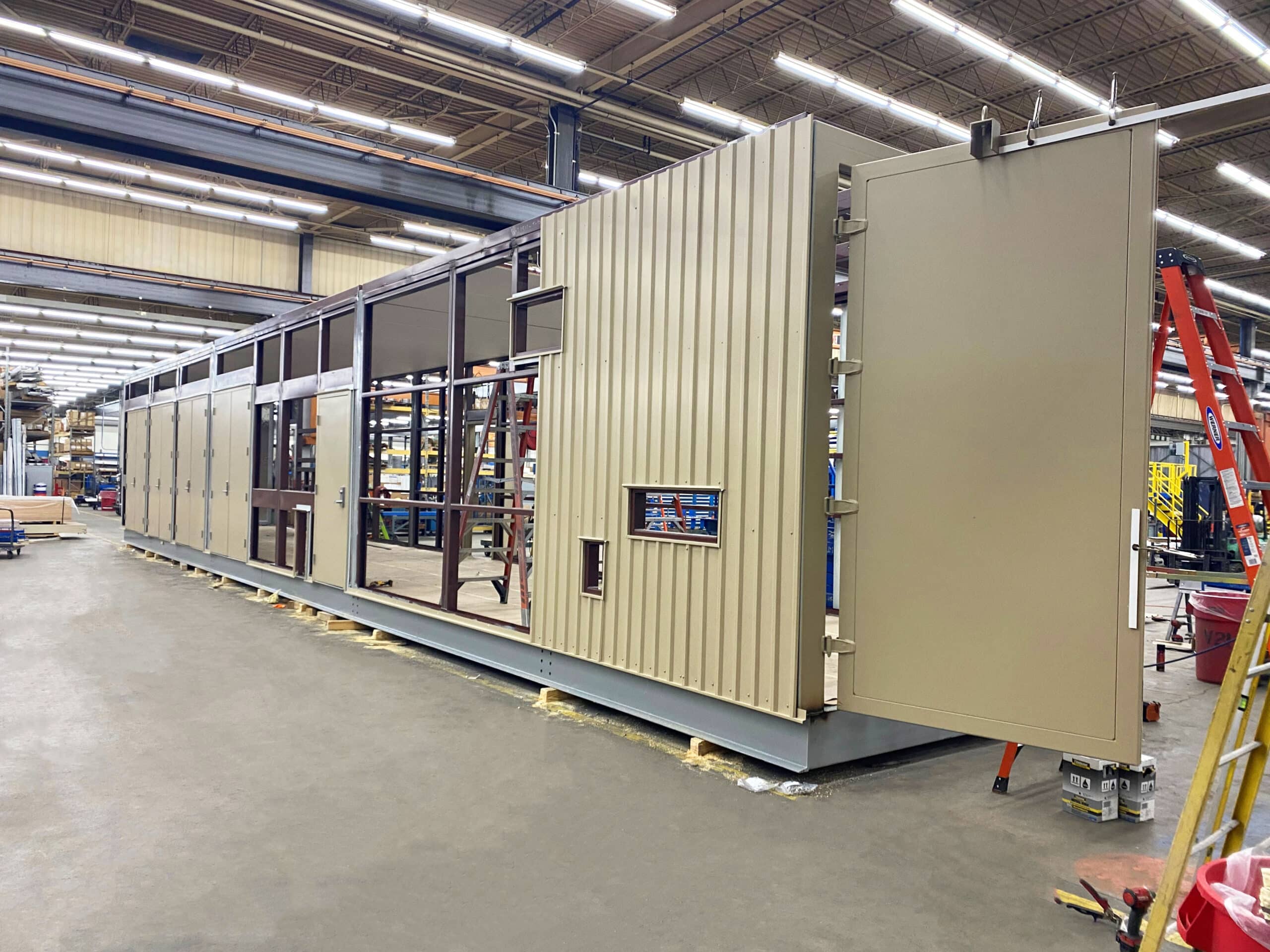
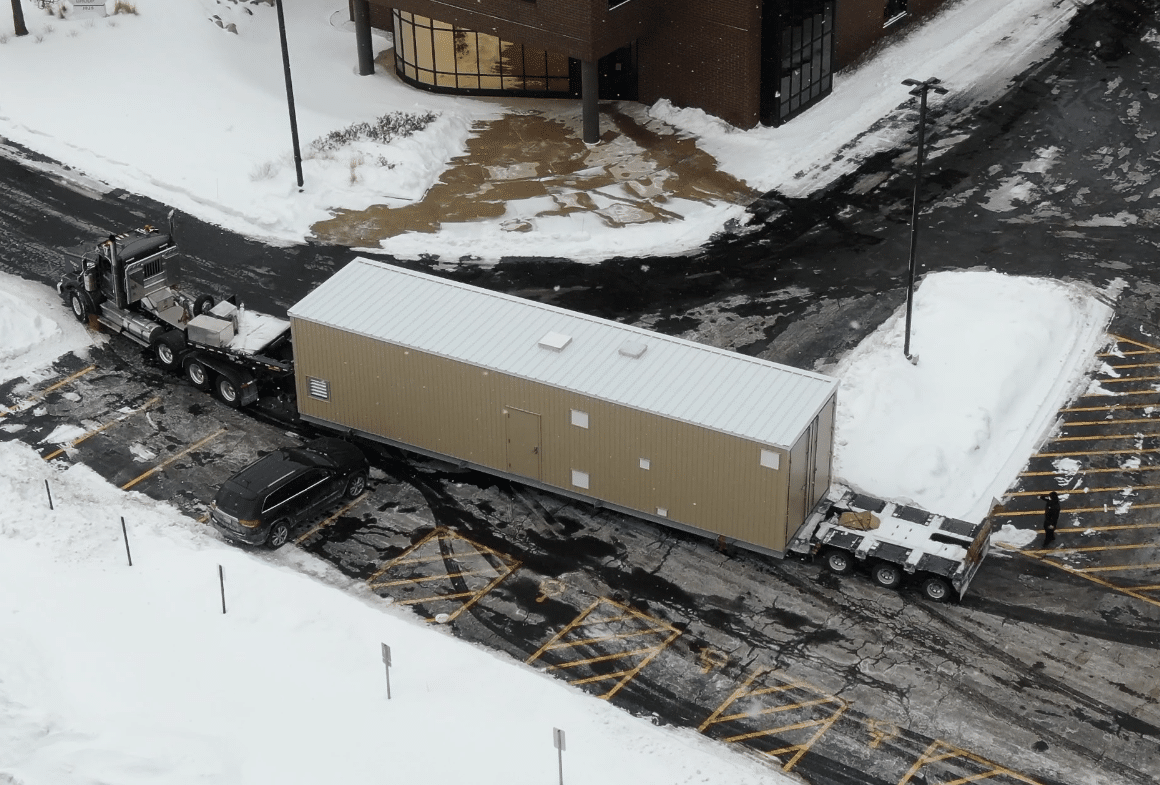
A prefabricated electrical substation building is manufactured off-site in an indoor manufacturing facility in a controlled environment and delivered to site, ready for installation. Compared to conventional field construction, this approach minimizes site disruption, improves quality control, supports faster deployment, and limits the number of personnel needed that is typically required for onsite builds. For utilities, renewable energy developers, grid operators, and more, modular construction is a highly practical fit for modern energy infrastructure.
RDI Enclosures draws on the 120-year industrial heritage of Reichel & Drews, giving customers the backing of a time-tested organization. RDI combines building fabrication expertise with electrical contractor capabilities, which is beneficial for substation work where many providers specialize in only one side of the project.
The RDI Enclosures Team engineers custom substation buildings around each project’s unique equipment, environmental conditions, and code requirements. We’re here to help you at each step of the way, always proud to stand by our work.
A modular substation building protects crucial electrical systems from weather, contamination, corrosion, temperature swings, and physical exposure. These enclosures commonly support:
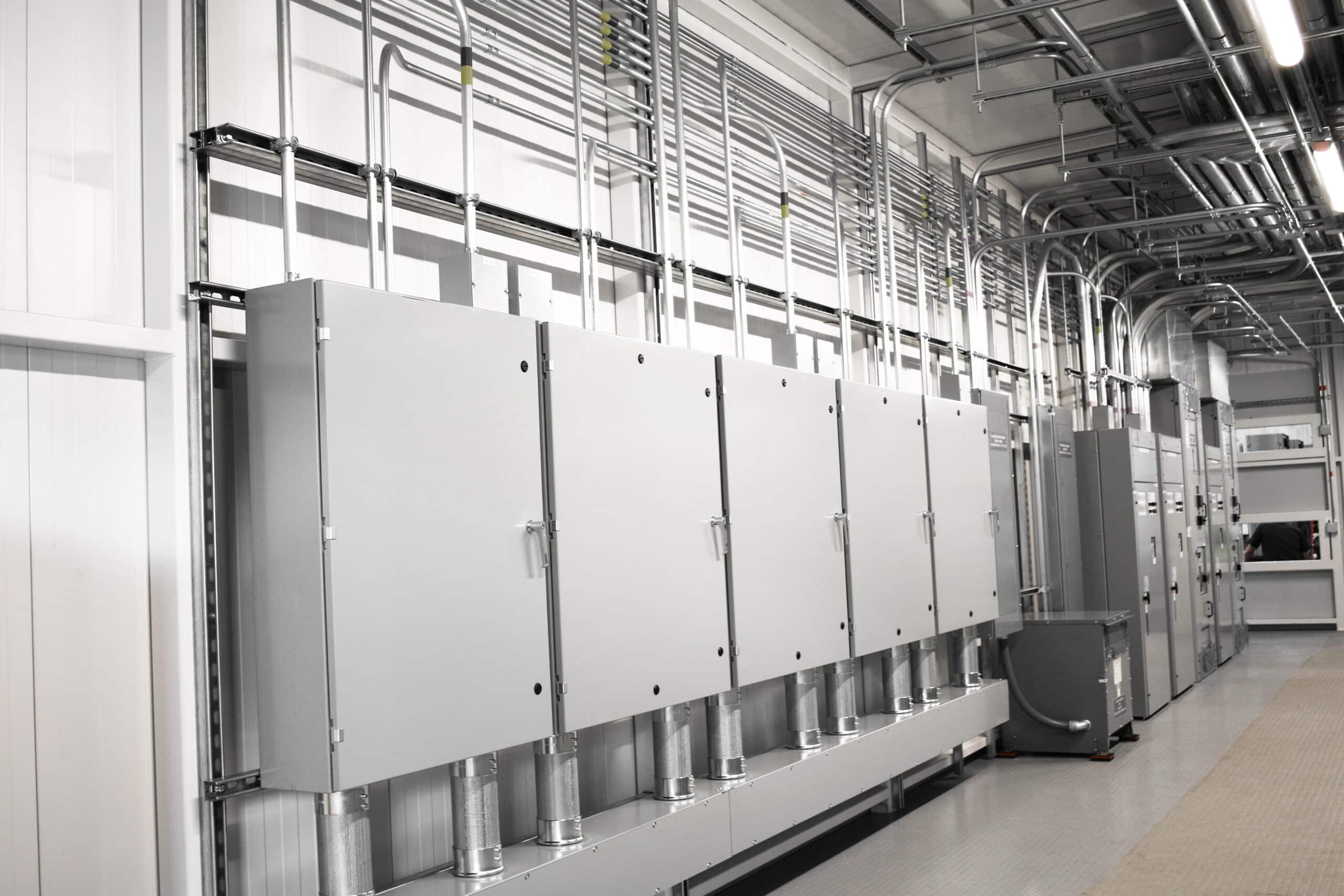
Since a prefabricated electrical substation is built off-site, teams can better coordinate the equipment integration, transport, and installation. That benefits consistency while keeping jobsite complexity at bay.
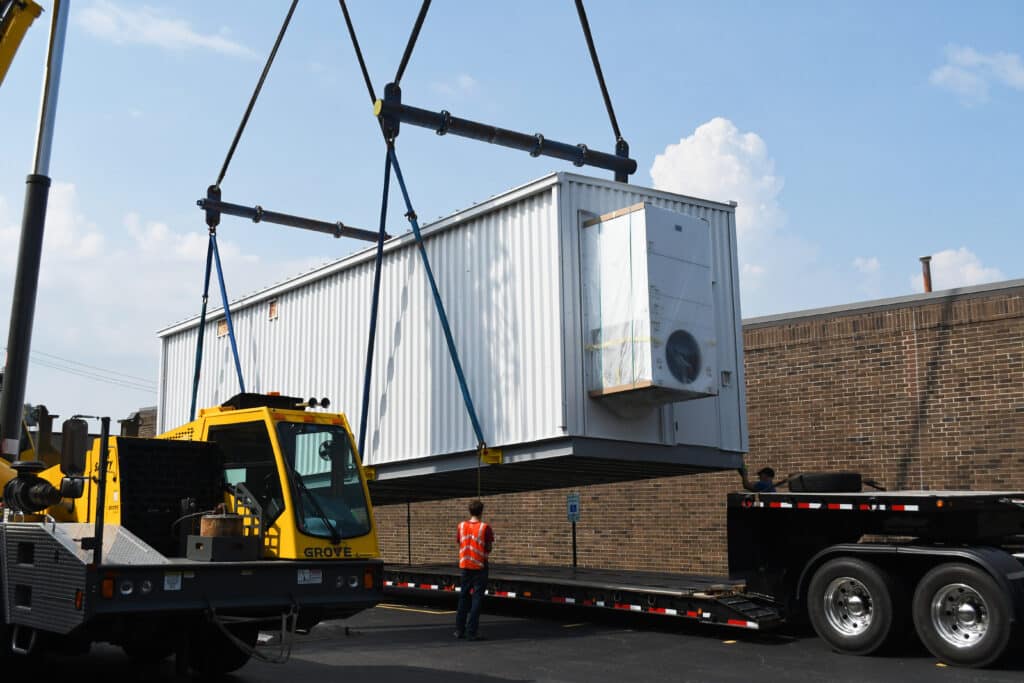
Utilities often go with a modular substation approach since it simplifies project delivery. Fabrication can move forward while site prep and civil work continue in parallel, helping shorten the overall schedule.
Top advantages of substation prefabrication:
Depending on project scope, electrical systems can also be integrated before the building arrives on site, reducing field assembly and supporting a more efficient startup process, among the other benefits of prefabricated building construction.
RDI can manage large, intricate projects that involve more than 1,000 individual components, minimizing handoff issues while keeping building fabrication, electrical integration, and delivery on track. Even better, RDI stays engaged beyond delivery as a long-term project partner, providing support well after the building reaches the site.
Lorem ipsum dolor sit amet, consectetur adipiscing elit. Ut elit tellus, luctus nec ullamcorper mattis, pulvinar dapibus leo.
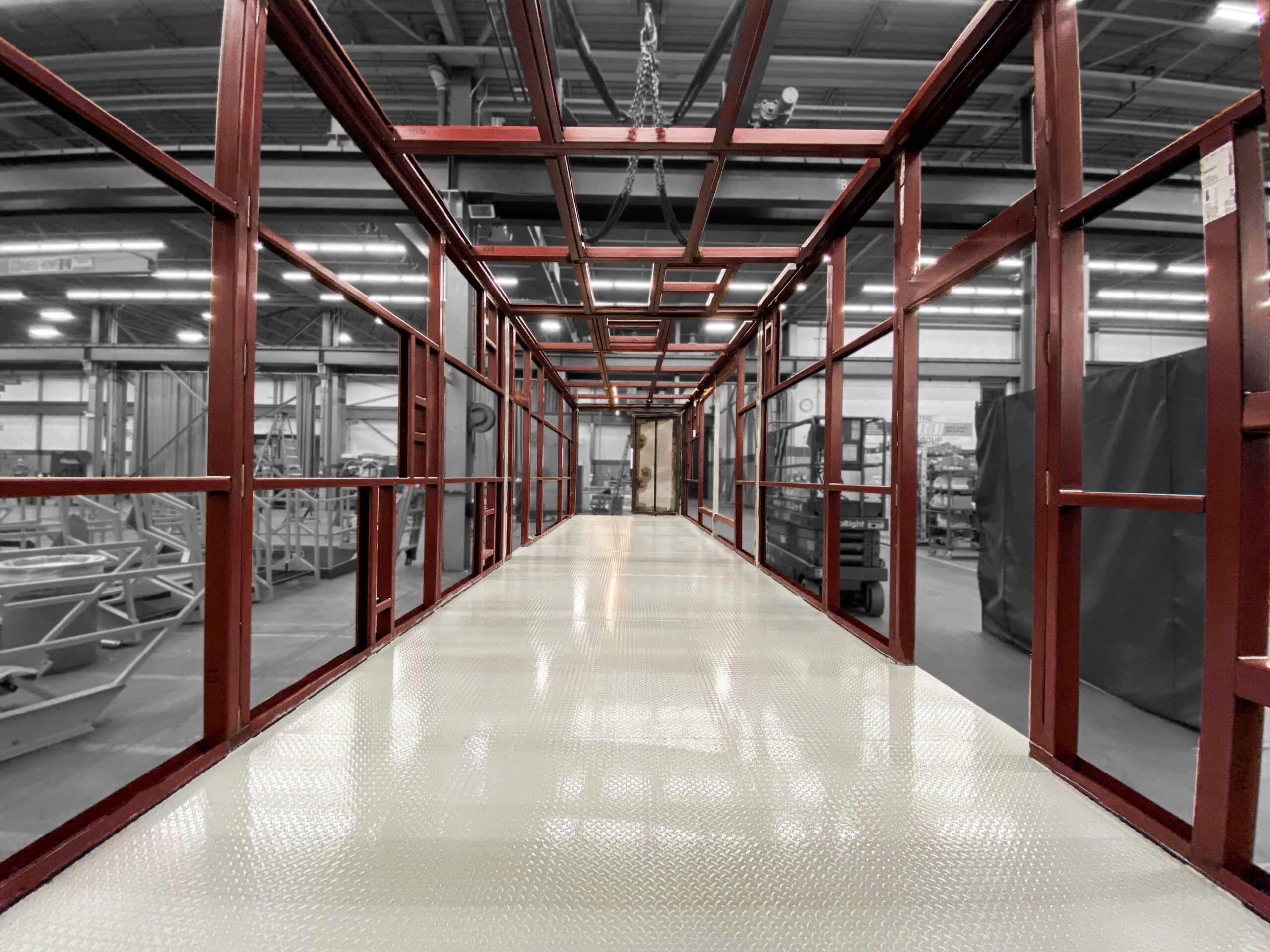
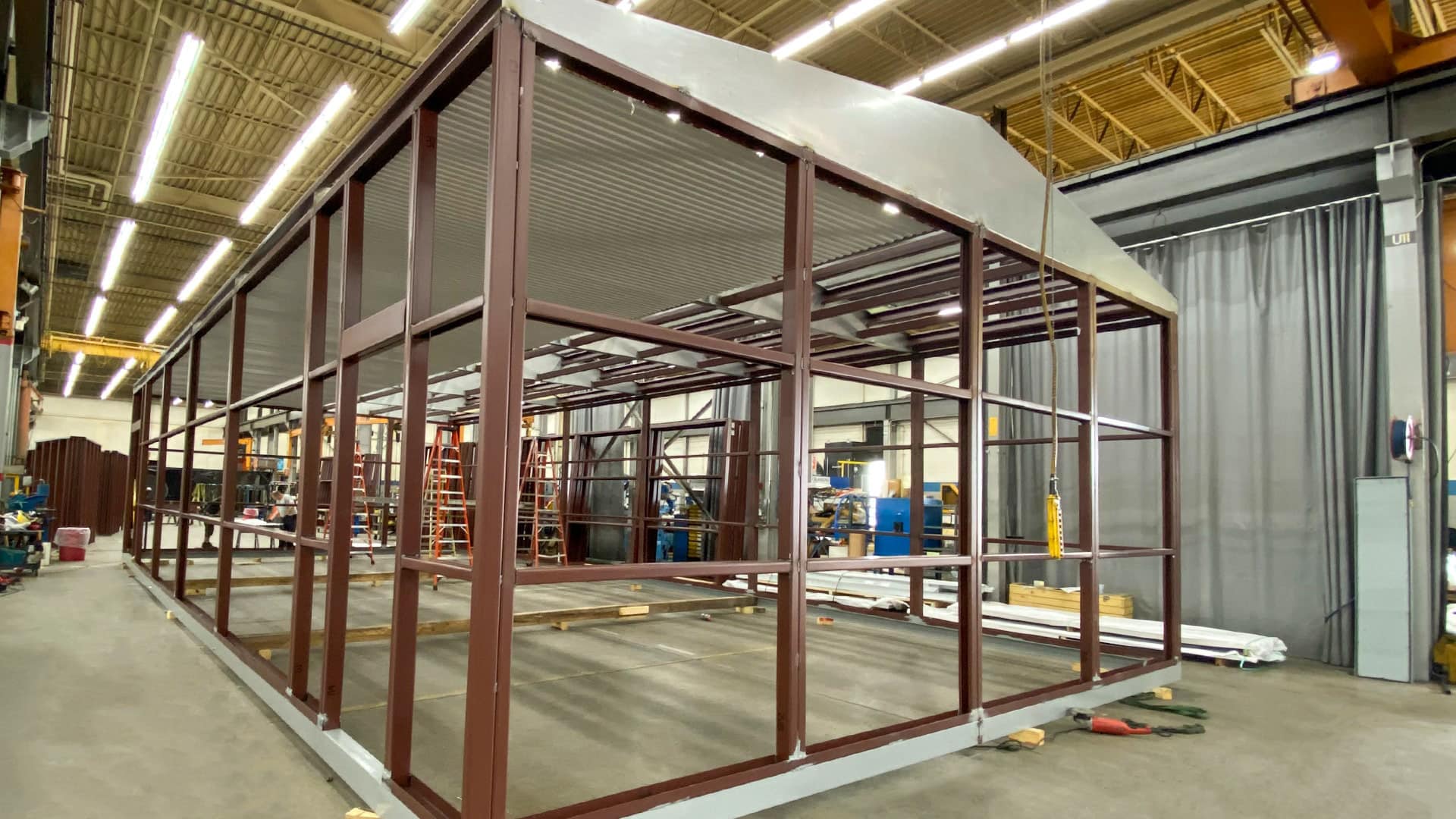
Each prefabricated electrical substation building should be engineered around the equipment it houses, as well as the site conditions it must withstand. Important design factors include:
Some projects also call for medium voltage and low voltage systems in the same enclosure, along with transformers, circuit breaker systems, protection panels, and communication hardware. Pad mounted transformer layouts, distribution transformer requirements, and compact substation concepts can all affect the final design.
RDI supports these efforts through dedicated Design and Engineering Services, helping utilities, owners, end users, engineering, procurement, and construction companies coordinate building requirements with equipment integration and project goals. Our process includes PE-stamped engineering drawings, factory acceptance testing before shipment, and CFD and FEA analyses to evaluate performance, airflow, and structural demands before the building reaches the field.
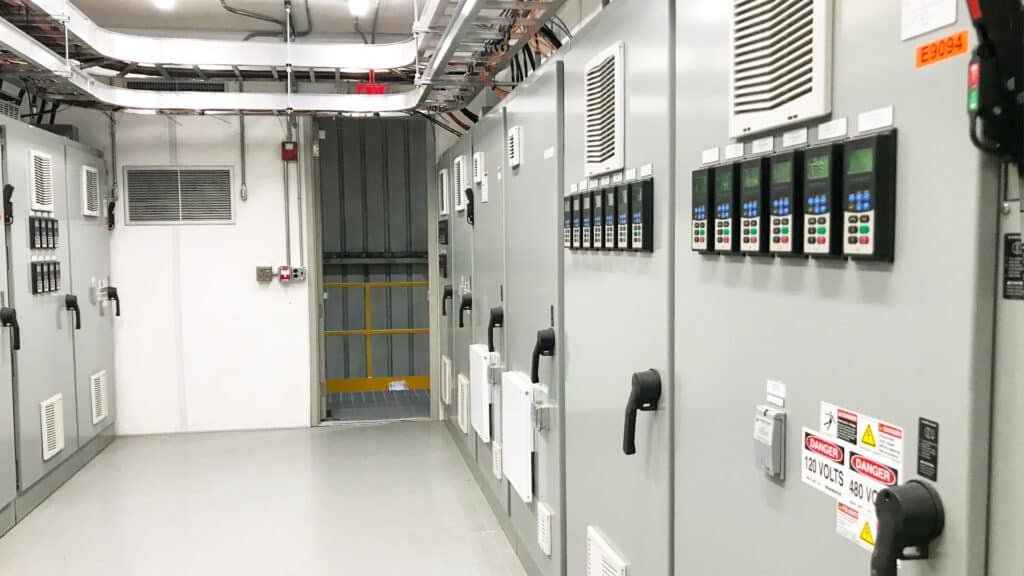
A modular substation building may be built to contain:
Electrical infrastructure needs to be performed reliably in the most demanding environments. Moisture, dust, contaminants, and temperature variation can all affect long-term equipment life, so a well-designed prefabricated substation building addresses those risks while protecting maintenance access and safe operation.
For projects that demand coordinated delivery of the building and internal systems, RDI’s plug-and-play equipment integration approach can prevent field complexity.
A prefabricated electrical substation can work well for many types of utility and industrial projects, especially where fast deployment and durable enclosure performance are top priorities.
The most typical applications include:
Each of these use cases underscores why the modular substation model continues to gain traction. It supports utility infrastructure upgrades, renewable energy grid integration, and smarter electrical distribution planning across sectors. RDI serves several demanding markets, such as Electric Utilities.
RDI Enclosures balances extensive building fabrication expertise with electrical integration capability, invaluable for substation projects where the enclosure and the equipment need to function as one coordinated system.
RDI supports projects through:
Check out our broader Prefabricated Buildings capabilities for more detail on RDI’s modular enclosure experience.
Early collaboration often leads to a better end result. When utilities, developers, engineers, and engineering, procurement and construction companies engage the building manufacturer early on, they can align layout, environmental protection, structural requirements, and equipment integration before fabrication begins.
RDI works with clients on custom enclosure design, engineering, fabrication, equipment planning, delivery, and installation support. If you’re planning a prefabricated substation or modular substation building, contact our team today to discuss your project goals.
A prefabricated substation is a factory-assembled building that houses electrical infrastructure used in power transmission and distribution systems. It’s manufactured off-site and ready to be installed right after delivery.
Substation enclosures commonly contain switchgear systems, relay panels, SCADA equipment, monitoring systems, control systems, battery systems, and other infrastructure for power distribution.
Prefabricated substation buildings can shorten construction timelines, boost quality control, mitigate on-site labor, and streamline equipment integration before delivery.
Yes, they can. A prefabricated electrical substation building can be tailored to specific layouts, equipment requirements, site conditions, voltage requirements, and environmental demands.
Utilities, renewable energy developers, industrial operators, grid modernization teams, and infrastructure developers all count on prefabricated substations for reliable power distribution in a safe environment and faster deployment.
An E-House belongs to a broader category of prefabricated electrical buildings, often housing electrical and control systems. A prefabricated substation, meanwhile, is a more specific application focused on substation infrastructure and power distribution functions.



We use cookies to improve your experience on our site. By using our site, you consent to cookies.
Manage your cookie preferences below:
Essential cookies enable basic functions and are necessary for the proper function of the website.