Industrial organizations often need specialized buildings to protect electrical systems, controls, and other critical equipment from demanding operating and environmental conditions. These structures may also need to accommodate complex equipment specifications, transportation requirements, site constraints, and project schedules. Choosing the right building approach and an experienced manufacturing partner can simplify these challenges.
Modular buildings are often selected for industrial applications due to their prefabricated sections, or modules, which can be built in a factory and then assembled onsite. This approach allows much of the construction process to take place in a controlled manufacturing environment, where materials, fabrication, and assembly can be managed before the building reaches the project site.
Why Choose RDI for Industrial Modular Buildings?
The value of a modular building depends on more than the structure itself. Industrial organizations need an enclosure partner that understands how engineering decisions, equipment requirements, manufacturing processes, logistics, and site conditions interact.
RDI Enclosures & Systems combines these capabilities with the industrial heritage of The RDI Group, which has been solving engineering and manufacturing challenges for more than 100 years. Our facilities comprise over 250,000 square footage for manufacturing, equipment integration, and testing, while our engineering expertise supports custom solutions for specialized applications.
We also take the time to understand a client’s technical requirements, operational priorities, and project standards so we can establish a foundation for continued collaboration. This partnership approach allows RDI to support organizations as their enclosure and infrastructure requirements evolve.
What Are Modular Buildings for Industrial Applications?
In industrial settings, modular buildings can house electrical distribution equipment, controls, and other systems that need protection from weather and operating conditions. Their design can account for equipment clearances, maintenance access, environmental controls, and the requirements of the installation site.
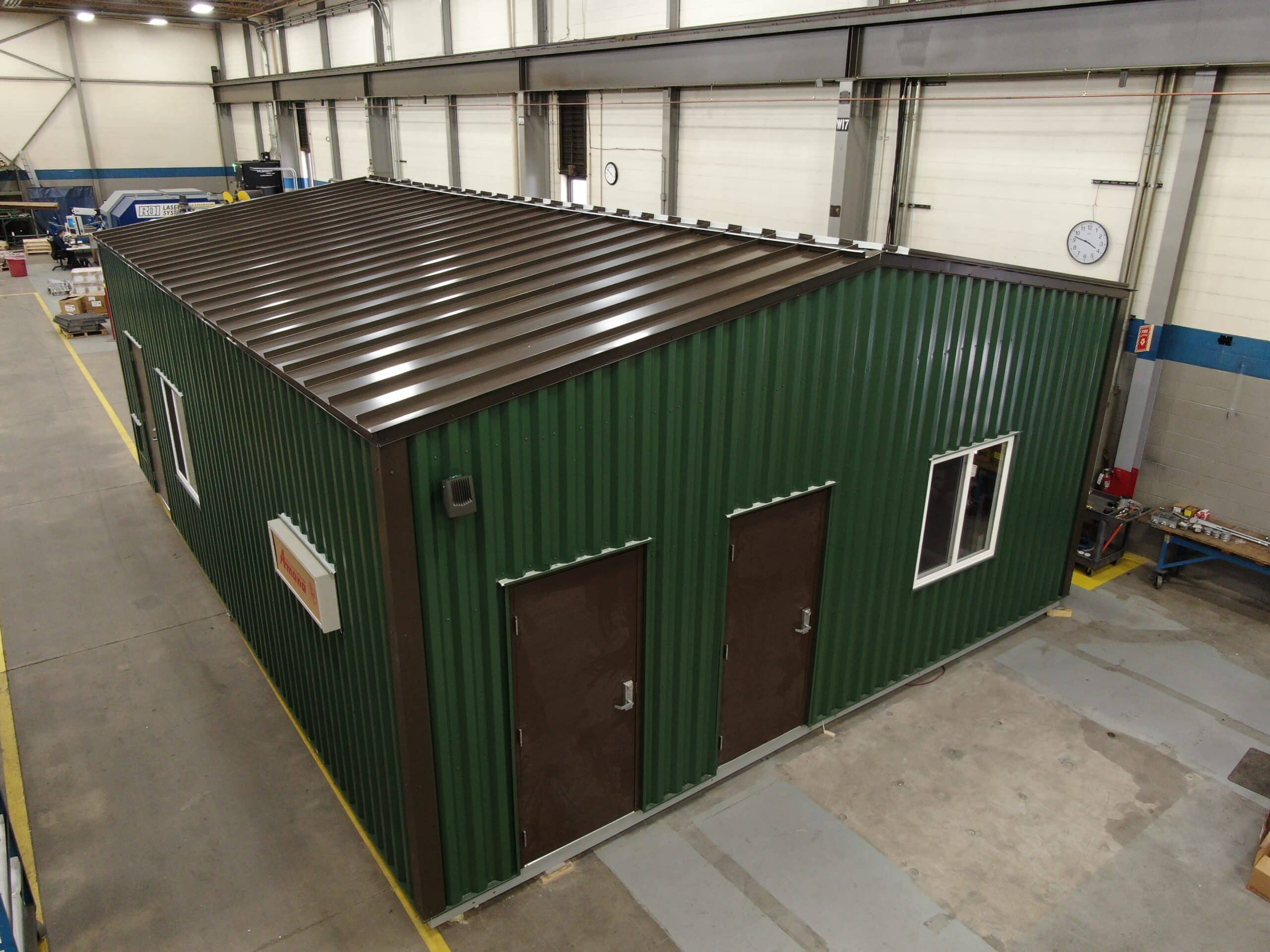
Factory manufacturing also allows enclosure fabrication to be coordinated with site preparation and other project activities. Depending on the project, customer-provided equipment can be integrated and tested at RDI’s facility or installed onsite.
For projects where the building configuration allows equipment integration before shipment, RDI can integrate equipment and building systems at its facility.
How Modular Construction Can Improve Project Efficiency
One of the primary benefits of modular construction is the ability to complete different phases of a project concurrently. Site preparation, for example, may progress while the building is being fabricated at RDI’s facility. This parallel workflow can reduce dependencies between construction activities and support more efficient scheduling.
Factory fabrication also allows more work to be completed before the structure arrives at the jobsite. When the building configuration permits, RDI can incorporate customer-supplied equipment and complete applicable wiring and integration work before shipment. For split building configurations, equipment integration can take place at our facility or onsite.
Completing applicable activities in advance can reduce the amount of field assembly and coordination required after delivery. A controlled manufacturing process also provides greater visibility into materials, labor requirements, fabrication activities, and project milestones. These advantages can support more predictable planning for industrial projects with complex requirements.
Controlled Manufacturing Supports Quality and Compliance
Industrial enclosures may be required to meet detailed engineering specifications as well as applicable building, electrical, and safety requirements. Completing fabrication in a controlled environment gives RDI greater oversight of manufacturing, equipment integration, inspection, and testing activities.
RDI works with applicable industry standards, codes, zoning, and permits. Requirements will vary according to the building, location, and application. For building configurations that allow equipment integration before shipment, RDI can assemble and test integrated equipment at our Itasca, Illinois facility before delivery.
Custom Engineering and Equipment Integration
Industrial modular buildings frequently require more than a standard enclosure. Equipment dimensions, electrical requirements, environmental conditions, accessibility, maintenance needs, and site characteristics can all influence building design.
RDI provides engineering capabilities that allow modular buildings to be configured around these requirements. Depending on the application, a building may incorporate HVAC and ventilation equipment, environmental controls, lighting, fire suppression, alarms, security systems, plumbing, or sound attenuation.
This collaborative approach is particularly valuable for long-term relationships. As RDI becomes familiar with a client’s specifications and operational priorities, this knowledge can provide useful context for subsequent projects.
Industrial Applications for Modular Buildings
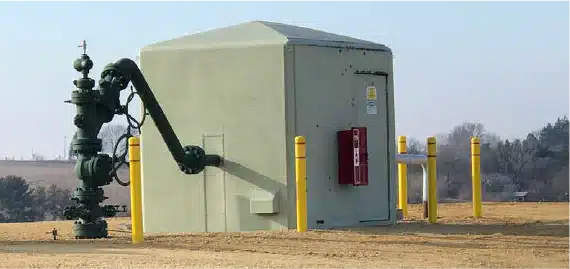
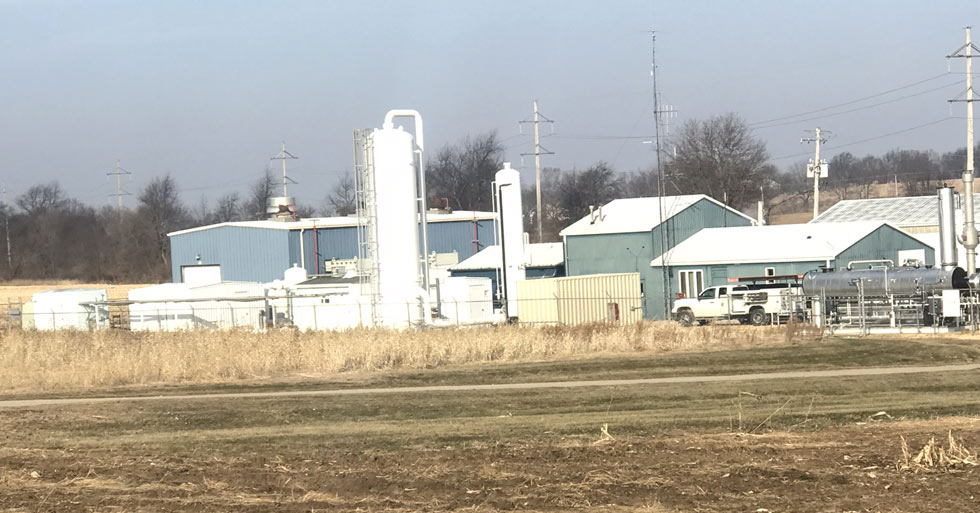
Modular construction can support a broad range of industrial and infrastructure applications. RDI works with organizations across markets such as electric utilities, power generation, communications, data centers, water and wastewater, transportation, and mining. Applications can include E-Houses, equipment shelters, and other custom prefabricated structures. The building’s configuration can be adapted to the equipment it houses and the environment in which it will operate.
For example, an electrical enclosure may require carefully planned equipment layouts and environmental controls, while a building intended for demanding outdoor conditions may require additional consideration of structural and climate requirements. The flexibility of custom modular construction allows these factors to be incorporated into the design.
From Engineering and Fabrication to Installation
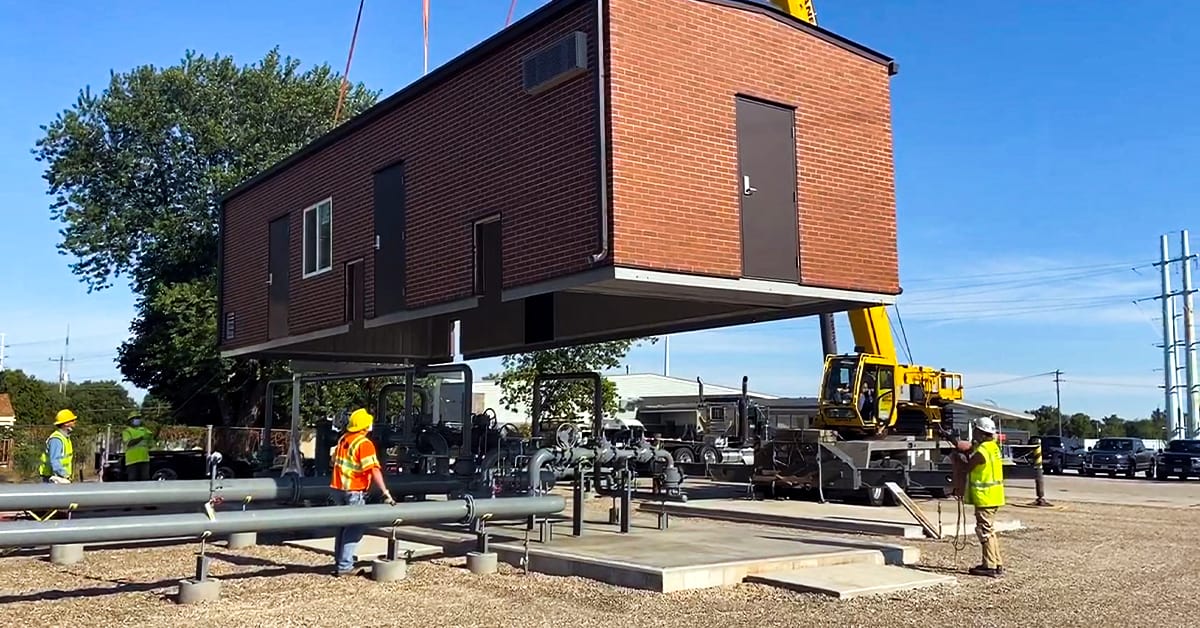
Successful modular building projects require coordination well before fabrication begins. RDI can support multiple stages of the process, beginning with the client’s technical requirements and continuing through engineering, manufacturing, equipment integration, testing, transportation, and installation.
Early planning allows teams to consider equipment specifications alongside transportation restrictions, site access, permitting requirements, and installation conditions. These factors can influence dimensions, structural design, lifting requirements, and the way the completed building is transported.
RDI’s nationwide capabilities also allow us to coordinate delivery for projects beyond our Itasca manufacturing facilities. Bringing multiple project stages together through a single partner can simplify communication and help maintain continuity from initial design through site installation.
Partner With RDI for Your Next Modular Building Project
The right modular building strategy starts with a clear understanding of the equipment, operating environment, site conditions, delivery requirements, and project objectives.
RDI works with industrial organizations to develop custom prefabricated solutions around these requirements. From engineering and fabrication through equipment integration, logistics, and installation, RDI can provide coordinated support throughout the project. Contact us to get started.